
Social skills for every kid
THE PRACTICE
At Connection Club, every child is seen as a whole person — not a problem to solve, not a behavior to manage. We don't teach kids to perform social skills. We teach them to think socially — to understand what others are thinking and feeling, and to move through the world on their own terms. Grounded in the Social Thinking® methodology, ours is the only practice in Central Oregon dedicated entirely to this work.
HOW WE WORK
Our approach, in practice
Connection Club is a neurodiversity-affirming practice grounded in the Social Thinking® methodology. That means we don’t ask kids to mask who they are or memorize a script of “correct” behaviors. We help them develop genuine social cognition — the ability to think about what others are thinking and feeling, notice how their own behavior lands, and navigate the social world with awareness and flexibility.
We meet kids where they are in their social thinking journey. We honor their unique strengths and wiring. And we work alongside families, not just children — because the social awareness built in the group room only matters if it transfers to everyday life.
Connection over compliance
We're not here to produce kids who appear neurotypical. We're here to help them build genuine relationships on their own terms.
No diagnosis required
Our groups are open to any child who would benefit from a structured, supportive space to practice social skills.
Skills they want to learn
Goals are driven by the child, not a checklist. We help kids identify what they want to get better at — and build toward that.
Families in the loop
We work alongside families, not just children. Every session ends with a direct handoff to parents — what we covered, what to look for, how to keep it going at home.
25 years of clinical experience, one dedicated focus.
Stephanie Wilhite, MA, SLP
THE HEART OF CONNECTION CLUB
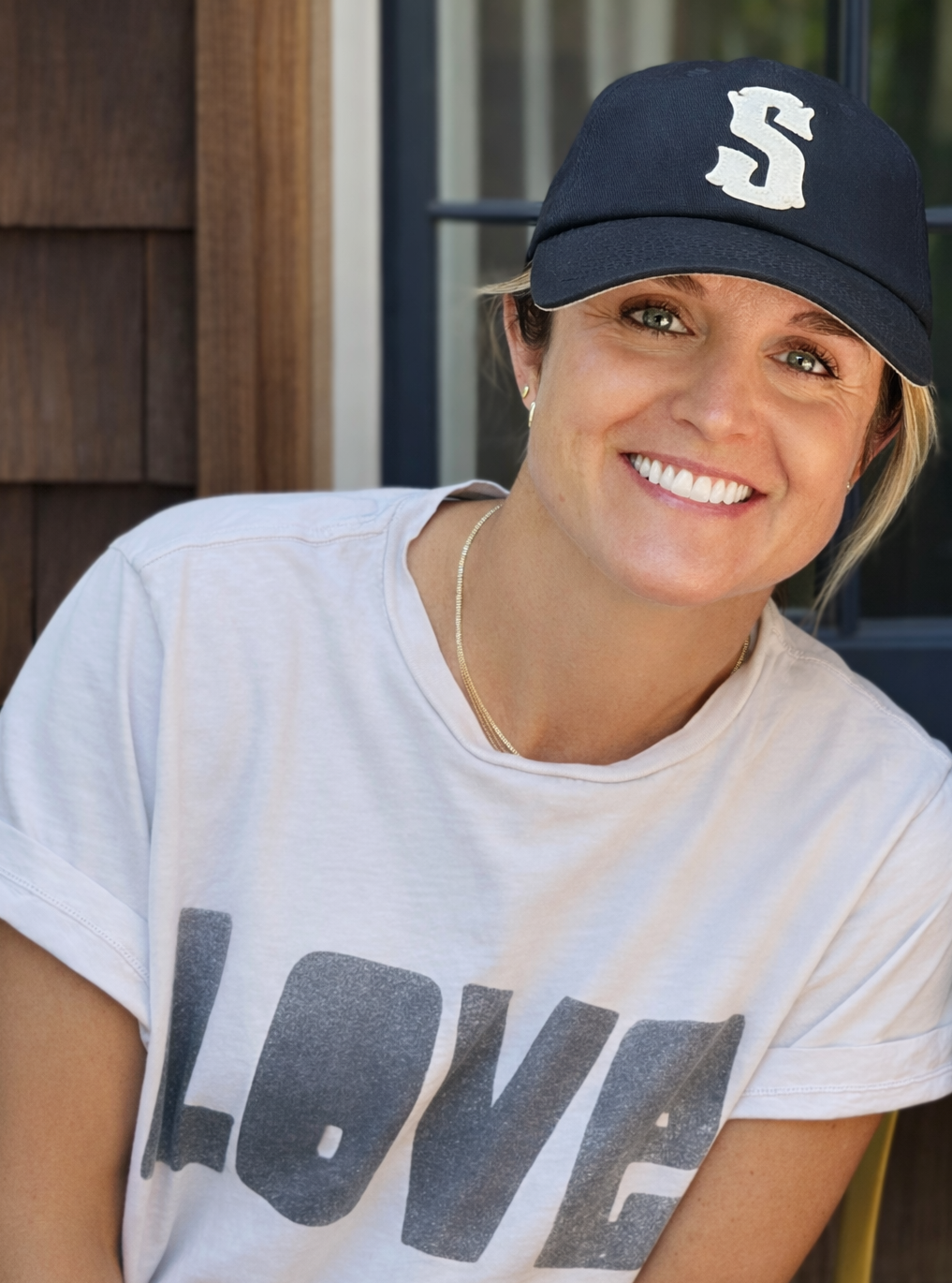
Stephanie has spent more than 25 years working with children who experience the social world differently. Before becoming a speech-language pathologist, she worked as a behavioral therapist for children with autism — experience that shaped her deep appreciation for neurodiversity and her commitment to meeting kids exactly where they are.
Her approach is grounded in the Social Thinking® methodology developed by Michelle Garcia Winner — a framework built on the idea that social skills are a direct result of social cognition. Rather than drilling kids on what to do, Stephanie helps them understand the social world from the inside out: what others are thinking and feeling, how their own behavior lands, and what flexible, perspective-aware social thinking actually looks like in practice.
She earned her master's degree in Communicative Disorders and Sciences from San Jose State University and has been a licensed speech-language pathologist since 2007. Over the course of her career she's worked across school, in-home, and private practice settings, including working within the Bend-La Pine School District and over a decade in private practice with Skidmore Speech and Language Services (now Central Oregon Speech & Language).
Connection Club is the culmination of everything Stephanie has learned about how kids grow socially — and her conviction that the right group, with the right support, can be genuinely life-changing for a child and their family.
IN PRACTICE
What that looks like in the room
Values are only as good as the choices they shape. Here's how ours show up in the decisions we make about groups, sessions, and families — every single week.
Sessions built around the kids in the room
We don't run a set curriculum on autopilot. Every group is shaped by what the kids in it actually need — the social thinking concepts they're working through, the moments that came up last session, the things families are seeing at home.
A different starting point
Many of the kids who come to us have been told they're not trying hard enough. We start from the opposite place: their brain isn't the problem, and the goal isn't to change who they are — it's to help them move through the social world on their own terms.
Goals kids can feel
A child who doesn't know what they're working on won't know when they've gotten better at it. We help kids name what they want to get better at — making a friend, handling a conflict, speaking up — so growth is something they can feel, not something only adults track.
Ready to learn more?
Reach out and we'll help you find the right fit.